
Edge computing was seen as expensive and complex for a long period of time. It was typically reserved for large businesses with sophisticated hardware. The perception has changed today. Businesses across the UK are realizing that adaptable and cost-effective systems deliver powerful results while requiring minimal effort.
The driving force behind this transformation is the rising of platforms that combine simpleness with scalability. The edge computing platform UK firms can now rely on looks very different than the typical set-up. Instead of relying exclusively on centralized data centers, companies are moving their processing closer to the place where data is created.
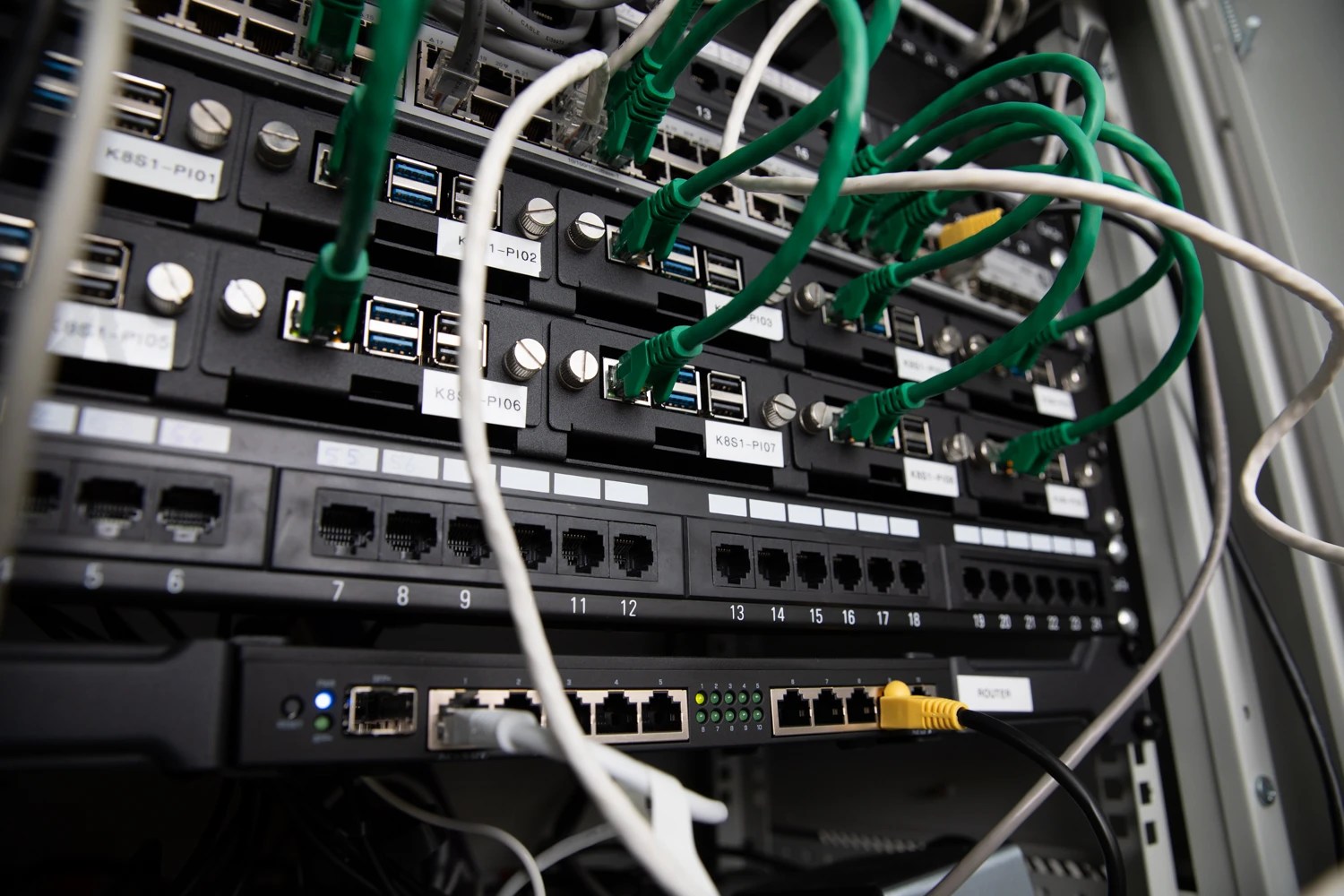
This new shift increases speed, speeds up processing and offers opportunities for real time decision-making.
From Small Devices to Enterprise Systems
The Raspberry Pi has come a considerable distance from its first reputation as a device for learning. Once a device for the hobbyist It is now employed in real-world infrastructure in industries such as manufacturing, logistics and smart environments.
Businesses can turn an individual device, like ScalerPi into a coordinated, larger system, by utilizing platforms like ScalerPi. The Raspberry Pi cluster model for production allows multiple units to be used together and create a distributed system that is able to handle large-scale workloads.
This method allows you to scale from a simple prototype into hundreds of connected devices, all working in sync.
Kubernetes is bringing Kubernetes up to the Edge
Modern infrastructure is typically dependent on orchestration and containerized apps. Kubernetes is now a common method to manage these environments but running it at the edges poses new issues.
An on-premise kubernetes solution provides a way to maintain control while still benefiting from the flexibility of container orchestration. Businesses can manage and deploy their own systems instead entirely relying upon cloud providers.
This allows companies to modify their infrastructure in line with particular operational needs. ScalerPi helps bridge the gap through combining the hardware know-how of ScalerPi with the most modern software techniques. This makes advanced deployments less expensive.
The Reasons Data Sovereignty is becoming more important
As regulations on data grow more complex, businesses are paying more attention to how their data is being stored and processed. Cloud providers tend to be external, which can raise questions about compliance and control.
A cloud that is sovereign UK companies can use allows you to protect data from national borders while ensuring high performance. This method ensures that sensitive information remains secure and in compliance with local regulations.
Companies can gain flexibility and accountability through the integration of edge computing within sovereign infrastructure. Data is processed close to its source but is monitored.
Making deployments simpler
Controlling large numbers of devices is a significant problem in edge computing. As deployments grow, maintaining consistency, security and performance becomes more difficult.
ScalerPi offers a full stack approach, which includes the management and supply of hardware, and also consultancy. This approach is more efficient which allows teams to focus more on applications and less on the infrastructure.
An edge computing solution that UK businesses can trust should not require continuous manual input. The solution must automate processes as well as monitor performance, and provide that all devices are in good working order.
Building Systems that Scale With confidence
The transition from a single prototype to a complete production environment requires careful planning. Each stage brings new challenges – from the selection of hardware to software integration, and on-going maintenance.
In creating a standard framework for growth, an Raspberry Pi production cluster use strategy will make the process easier. Devices can be added or modified without disrupting the entire framework, allowing businesses to grow according to their own schedule.
This flexibility can be particularly beneficial for businesses that wish to try out new technologies or expand into new markets.
A Future of Control and Flexibility
The future of infrastructure is moving towards systems that are open as well as flexible and efficient. Companies don’t want be confined to rigid solutions which hinder their innovations.
Organizations can gain more control over their operations as well as data using tools like an on-premises kubernetes system and a UK sovereign cloud solution. These technologies, when combined with the scalability and versatility of Raspberry Pi clusters create a platform that will support the long-term expansion.
Moving Forward With Edge Innovation
Edge computing is no longer an idea that is just emerging, it’s now a viable solution to today’s issues. Combining inexpensive hardware with modern software allows businesses to create powerful systems.
ScalerPi helps businesses bridge the gap between their physical devices, cloud technologies and cloud technologies. It makes edge computing available to all organizations by utilizing a well-thought out design, reliable deployment and an adaptable architecture.
As more companies look into the possibilities of distributed systems, the ability to scale effectively and safely will determine the success of their business in the years ahead.