
For vet practices, the telephones are not in a state of decommissioning simply because the practice closes. Animals are sick in the evening and patients panic on weekends, and calls are not always answered at the most convenient time. When calls aren’t answered, or sent to voicemail or an answering service that is generic and has no understanding of the clinical environment can result in furry pet owners, anxiety for vets on call and lost opportunities for the practice.
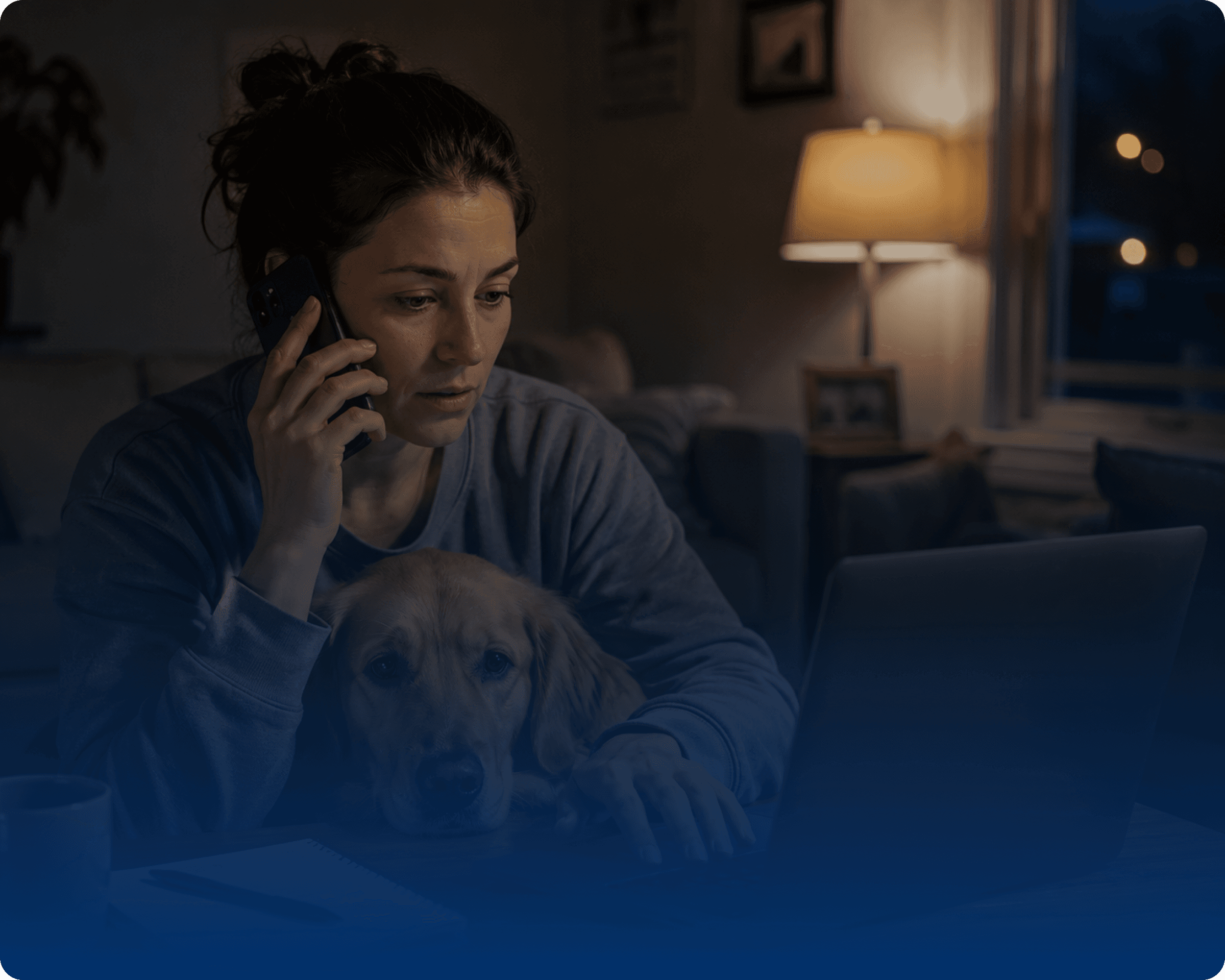
Image credit: guardianvets.com
It is for this reason that after-hours communication is such an essential part of veterinary operations. A dependable answering service for veterinary practices does more than answer the phone. It safeguards the relationship with pet owners, guides them to the most appropriate next step, and eases the stress of staff. After-hours care is no longer a luxury in the current veterinary industry. It’s an aspect of how a clinic provides continuity of care.
Not all answering software is intended for use in veterinary medicine.
There’s a distinct difference between an answering service that caters to vet hospitals as opposed to a general service. In a hospital setting answering calls after hours is not easy. Customers may be concerned about complications following surgery, or vomiting. They may also be wondering whether their pet is in need of immediate emergency treatment. These scenarios require more than communicating messages. It calls for calm communication, judgement and organization from someone who is knowledgeable of the workflow in veterinary practice and is aware of the how urgent it is.
This is where GuardianVets sets itself apart. In lieu of being a typical call center GuardianVets operates as a veterinary-focused support partner, staffed with Credentialed Veterinarian Technicians. That distinction matters. A trained technician can assess the nature of the call, follow the clinic’s triage and escalation protocols, help the pet owner understand the level of urgency, and direct them toward the right next step without stepping outside the boundaries of the veterinary-client-patient relationship.
A veterinary triage service aids all people make better choices
One of the biggest benefits of a true veterinary triage service is that it creates clarity in stressful moments. Pet owners often do not know if a situation is one that can be delayed until the morning, when they should set up a follow-up or if they should seek emergency care immediately. In the absence of guidance, many fall to one of two options and either rush to an emergency hospital or they wait too long to seek care.
This gap can be filled through triage. It gives pet owners a knowledgeable individual who can be a source of information, decreases confusion, and also helps ensure that urgent cases are handled according to the need, while less urgent concerns are logged and routed appropriately. This keeps vets from getting interrupted by cases which do not really require medical intervention during the evening. This could have an enormous effect on the balance between work and life in hospitals, where doctors shoulder their own clinical workload in the daytime while having to be on call in the evening.
It is important to ensure that the service you choose matches your requirements, and does not interfere with them.
Modern veterinary call centers shouldn’t be considered a service that is not connected to your practice. It should work as an extension of your team. This means it should be aware of your preferences for communication including appointment rules as well as emergency protocols such as escalation routes, and protocols. It also means integrating with your PIMS so triage notes, scheduling outcomes, and documentation for calls return to the same system your team already uses.
GuardianVets was built around this concept. The process involves auditing the areas of call coverage that are not covered and mapping the current communication with clients. It also includes building a workflow which reflects the real-world situation of the clinic instead of forcing it to conform to a rigid model. It’s a huge change from answering services that are traditional, which often stop at message capture, and then leave the practice to sort it all out in the future.
Better coverage after hours is better than convenience
A dependable veterinary after hours answering service is more than reduce the number of missed calls. It maintains trust among clients when they are stressed, and keeps more patients in the practice’s network and enables the team to better manage demand after hours. It also helps increase revenue by turning weekends or night-time inquiries into appointments booked instead of missed opportunities.
Most importantly, it reassures pet owners that a knowledgeable person can be reached when they require assistance. This type of support is vital in veterinary medicine, because the calls that come in after hours aren’t only about the logistics. They also have emotional. The emotional response of a pet animal may affect how they feel long after the situation has been resolved.
GuardianVets is an answering service for vets that offers hospitals an option that goes above and beyond the typical model. It assists practices in remaining available to clients even when the doors of the clinic are closed. It does this through integrating workflows medical triage, compassionate communication.